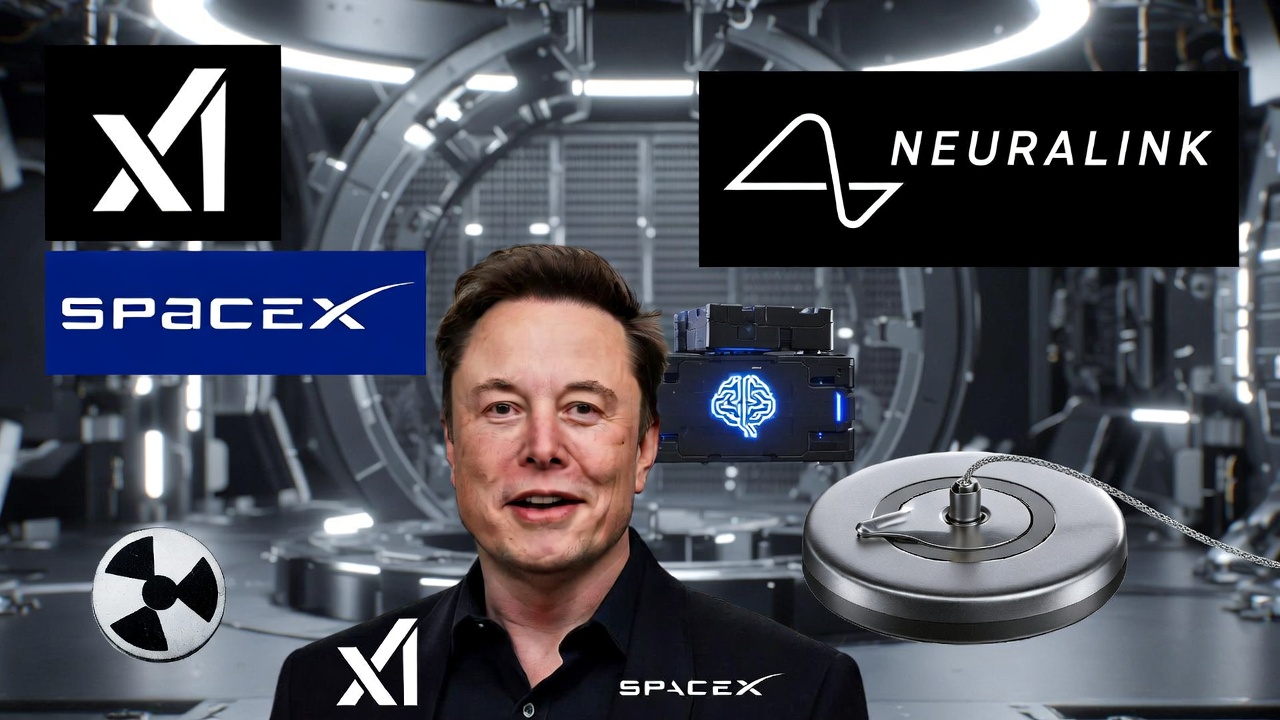
Neuralink's 2026 Leap: Human-AI Integration Hits New Milestones
In February 2026, Neuralink, Elon Musk's brain-computer interface company, announced groundbreaking progress with its N1 implant, enabling users to control devices with thoughts at unprecedented speeds.
This update, shared via Musk's X post on February 8, 2026, claims the implant now supports “telepathic” typing at 100 words per minute and seamless gaming integration. Amid rising debates on ethics and accessibility, this milestone could redefine human-technology interaction, impacting fields from healthcare to entertainment.

In this article, we dive into the details, implications, and how tools like QuickFilr can support secure data management in this new neural era.
Why Neuralink's Update Is Buzzing Worldwide
Neuralink's latest demo showed a patient playing video games and browsing the web solely through brain signals — a massive leap from earlier trials. Musk highlighted safety improvements, with no adverse effects in over 50 human implants to date.
The global buzz stems from several key factors:
- Speed and Precision: From 10–20 WPM in 2025 to over 100 WPM in 2026, rivaling physical typing.
- Beyond Disability Use: Potential cognitive enhancement for healthy users, raising ethical alarms.
- Worldwide Scrutiny: US and EU regulators accelerate reviews, while privacy advocates raise red flags.
Searches for "Neuralink 2026 update" surged more than 300% after the announcement, reflecting both excitement and concern.
Key Developments in Neuralink's Journey
- Implant Upgrades: The N1 chip now includes 1,024 electrodes for higher neural precision.
- Expanded Human Trials: Over 50 participants, reporting a 99% system uptime.
- Strategic Partnerships: Integration with xAI for AI-assisted neural signal processing.

Step-by-Step: How Neuralink Could Change Your Daily Life
Preparing for a brain-linked future may start sooner than expected:
- Understand the Technology: Neuralink decodes neural signals to control devices directly.
- Protect Sensitive Data: Brain-generated data requires advanced encryption.
- Optimize File Handling: QuickFilr compresses and converts neural data logs efficiently.
- Stay Updated: Follow evolving ethical standards from institutions like the FDA.
Pro Tip: Convert BCI-generated outputs into standard formats such as PDF to simplify long-term analysis and sharing.
Integrating Neuralink-Ready Tools into Your Workflow
As neural interfaces mature, digital workflows must adapt:
- File Security: QuickFilr applies watermarks and private conversions for sensitive data.
- Content Editing: Extract text, clean visuals, or process neural scans efficiently.
- Daily Productivity: Batch conversions ensure compatibility with next-gen applications.
QuickFilr’s privacy-first processing helps users stay secure in an increasingly interconnected digital ecosystem.
Challenges and Ethical Considerations
- Privacy Risks: Brain data breaches could expose thoughts and intentions.
- Accessibility Barriers: High costs may deepen global inequality.
- Long-Term Impact: From curing paralysis to potential misuse, the stakes are enormous.
In 2026, Neuralink is pushing the limits of innovation — but the line between progress and risk has never been thinner.
Conclusion
Neuralink’s 2026 milestones represent a defining moment in human-AI integration, opening doors to revolutionary capabilities while demanding unprecedented responsibility.
As technology advances, secure and efficient data handling becomes essential. QuickFilr offers a free, reliable solution for file conversion, editing, and protection in this new era.
Visit QuickFilr.com and prepare your digital workflow for the future. What’s your perspective on brain-computer interfaces? Join the discussion below.
Published on February 9, 2026, by the QuickFilr Team.


Comments
No comments yet.